
Teeth naturally darken over time from a mix of surface staining — coffee, tea, tobacco — and changes deep in the tooth structure that no amount of brushing alone can fully undo.
Whitening toothpastes and charcoal-based products mostly work on surface stains through mild abrasion, which can help with recent staining but won't meaningfully shift your baseline tooth shade.
Over-the-counter whitening strips use a lower concentration of peroxide than professional treatments, so they work, but slowly and with less predictable, even results.
In-clinic whitening uses a higher-concentration gel under professional supervision, which is why it typically delivers a noticeably brighter result in a single sitting compared to weeks of at-home strips.
Whichever route you choose, whitening works on natural enamel only — it won't change the color of existing crowns, veneers, or fillings, which is worth knowing before you start if you have any visible restorations.
Have a question about this?
Book a consultation and get answers specific to your situation.
Book AppointmentMore from the blog
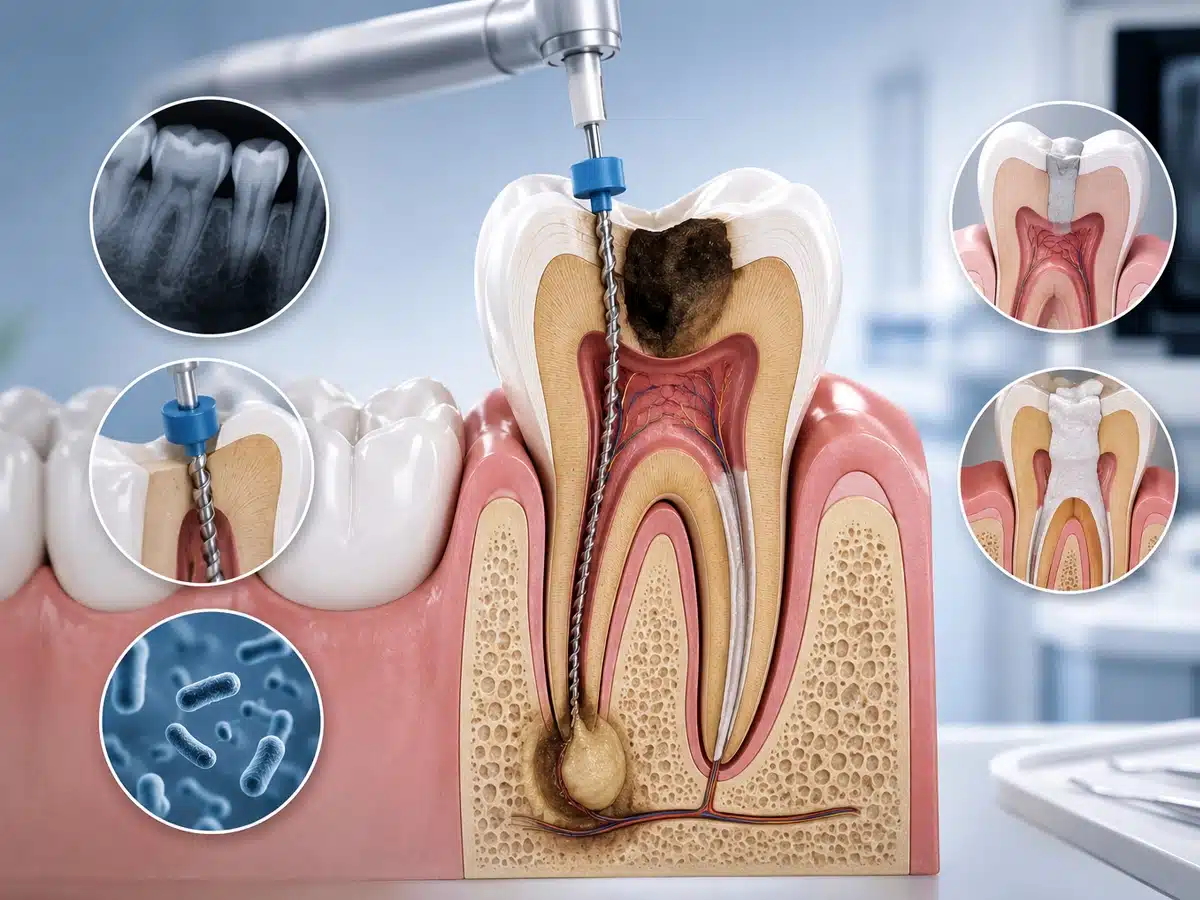 Treatments
5 Signs You Need a Root Canal, Not Just a Filling
Tooth pain doesn't always mean the same thing. Here's how to tell whether you're looking at a simple filling or something that needs root canal treatment.
 Oral Care
How Often Should You Really Visit the Dentist?
"Every six months" is the standard advice — but is it right for everyone? Here's how to figure out the check-up schedule that actually fits you.
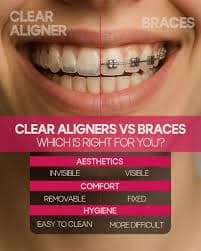 Orthodontics
Braces vs Clear Aligners: Which Is Right for You?
Both straighten teeth effectively, but they suit different lifestyles, budgets, and cases. Here's how to compare them honestly.