
The twice-a-year rule is a reasonable default for most people, but it isn't a one-size-fits-all number. It became the standard recommendation decades ago, and it still works well for people with generally healthy teeth and gums.
If you have a history of cavities, gum disease, or you're currently in orthodontic treatment, your dentist may want to see you more often — sometimes every three to four months — to catch small issues before they grow.
On the other end, some people with excellent oral hygiene and no history of dental problems can sometimes stretch to once a year, though this should always be a decision made with your dentist, not a default assumption.
Certain life stages also change the picture. Pregnancy, for example, increases the risk of gum inflammation, and children benefit from more frequent visits while their teeth are still developing.
The honest answer is that your ideal interval depends on your risk factors, not a universal calendar rule. A check-up is also the easiest way to find that number out for yourself.
Have a question about this?
Book a consultation and get answers specific to your situation.
Book AppointmentMore from the blog
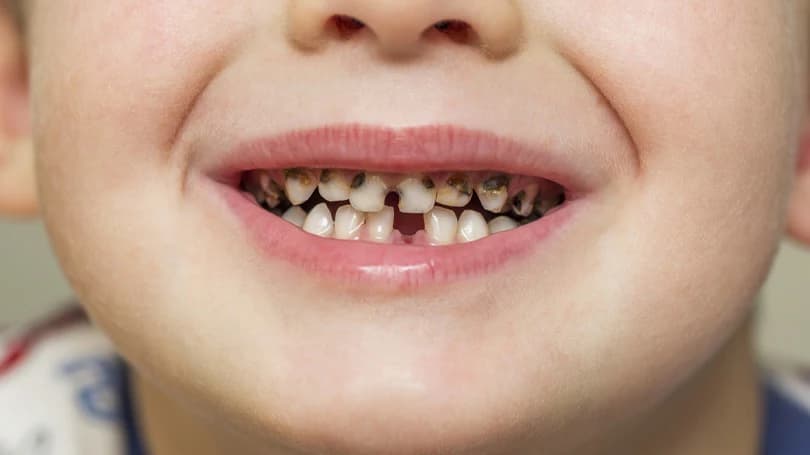 Oral Care
Kids and Cavities: A Parent's Guide to Prevention
Baby teeth matter more than most parents realize. Here's how to keep your child's smile healthy from their first tooth onward.
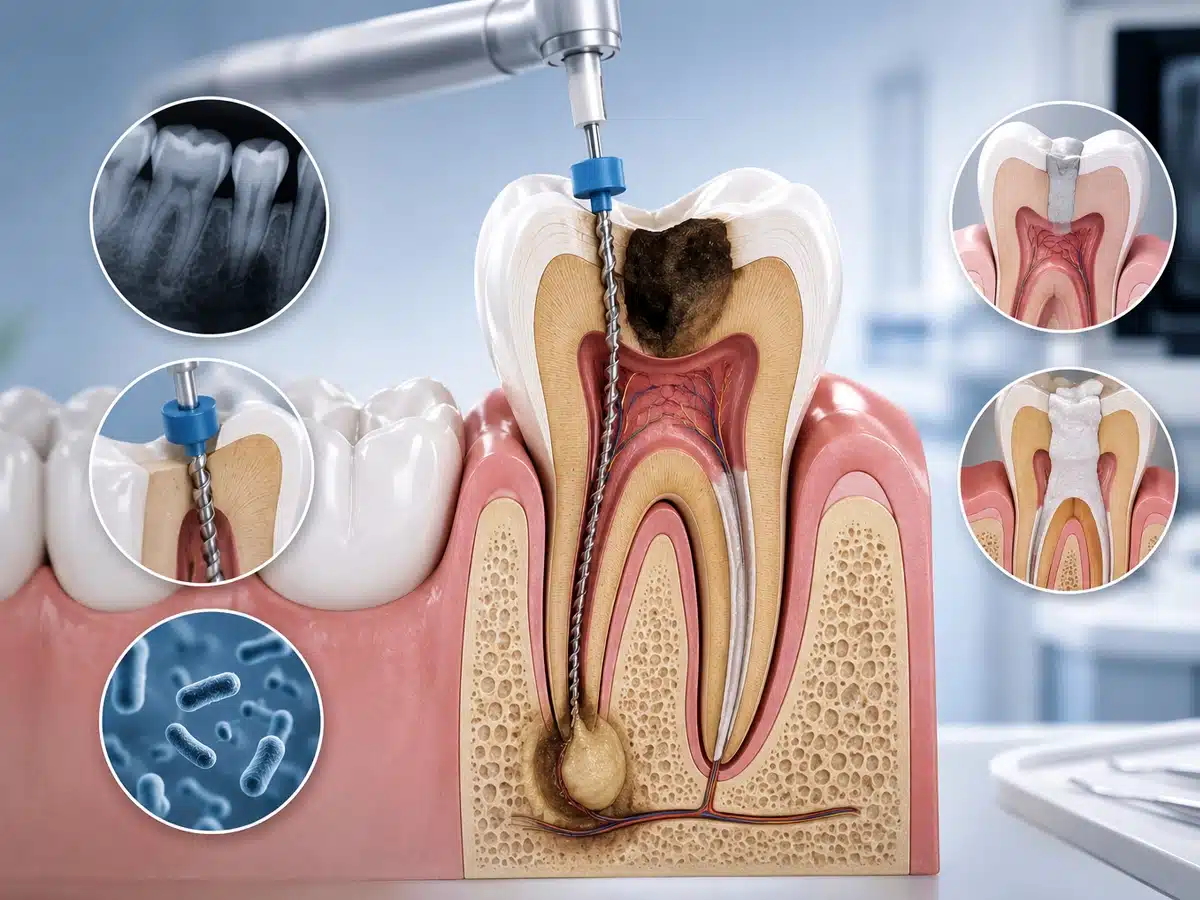 Treatments
5 Signs You Need a Root Canal, Not Just a Filling
Tooth pain doesn't always mean the same thing. Here's how to tell whether you're looking at a simple filling or something that needs root canal treatment.
 Orthodontics
Braces vs Clear Aligners: Which Is Right for You?
Both straighten teeth effectively, but they suit different lifestyles, budgets, and cases. Here's how to compare them honestly.