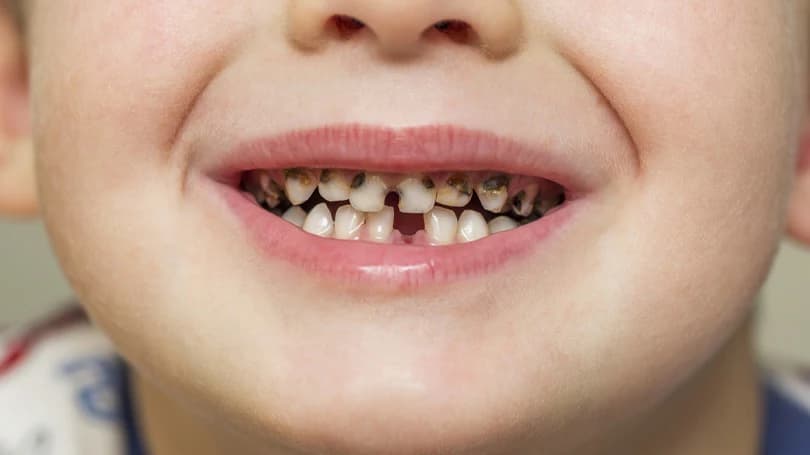
It's a common myth that baby teeth don't need much care since they'll eventually fall out — but untreated decay in baby teeth can cause pain, affect eating and speech, and impact the adult teeth developing underneath.
A child's first dental visit should happen around their first birthday, or within six months of their first tooth appearing, mainly to build comfort with the dentist and catch any early issues.
Supervised brushing matters more than most parents expect — children usually can't brush effectively on their own until around age seven or eight, so helping out twice a day makes a real difference.
Sugary snacks and drinks are the biggest daily risk factor, but frequency matters more than quantity — sipping a sugary drink throughout the day exposes teeth to acid far longer than eating the same amount at once.
Fluoride toothpaste, a pea-sized amount for children old enough to spit it out, along with regular check-ups, remains the most effective and low-effort way to prevent cavities long term.
Have a question about this?
Book a consultation and get answers specific to your situation.
Book AppointmentMore from the blog
 Oral Care
How Often Should You Really Visit the Dentist?
"Every six months" is the standard advice — but is it right for everyone? Here's how to figure out the check-up schedule that actually fits you.
 Treatments
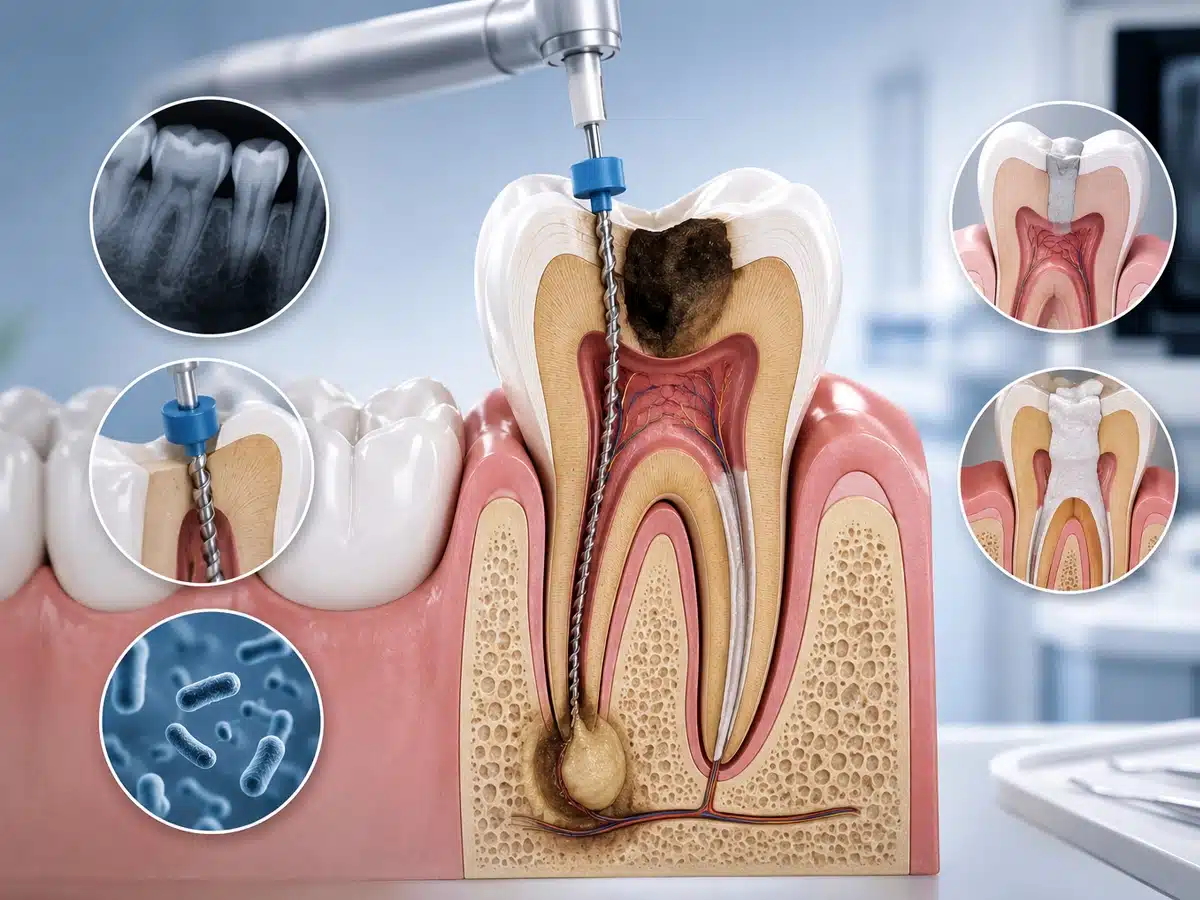
5 Signs You Need a Root Canal, Not Just a Filling
Tooth pain doesn't always mean the same thing. Here's how to tell whether you're looking at a simple filling or something that needs root canal treatment.
 Orthodontics
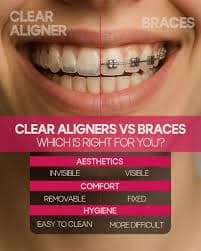
Braces vs Clear Aligners: Which Is Right for You?
Both straighten teeth effectively, but they suit different lifestyles, budgets, and cases. Here's how to compare them honestly.